
Expert Consultation for Inclusion Models
Helping districts develop flexible programming in special education
Balanced Options That Make Sense

Disagreements around inclusion can become costly - not just financially, but in time, trust, and relationships. I offer a proactive way to develop or strengthen inclusion programs, reduce disputes, and build shared understanding between families and districts.
Whether preventing conflict or helping to repair it, I support districts in designing a full continuum of placement options and developing flexible, legally sound inclusion practices that inspire confidence and collaboration among all stakeholders. Partnering with Balanced Inclusion is more than a cost-saving decision - it’s an investment in stronger family relationships, quality services, and impactful practices for students with disabilities.
Common Sense Inclusion
Balanced Inclusion Solutions specializes in building practical, sustainable solutions that make inclusion meaningful for every student. I partner with districts to create impactful practices that strengthen collaboration, reduce conflict, and promote shared ownership of inclusive education.
District Services:
Free Initial Consultation
We’ll start with a brief, no pressure consultation in-person, virtual, or by phone. Then I’ll follow up with a proposal of service options for your review.
Program Planning
I can work with IEP teams, including parents, advocates, and attorneys, to develop common sense inclusion plans that are rooted in research and best practices. But first, a pre-meeting with district administrators is important to ensure we our perspectives are aligned. When decisions are made without consultative input, plans and practices can miss major steps that are crucial to inclusion success, and this can end up being costly.
Targeted Training
Training is key to ensure that everyone understands the purpose of inclusion and develops realistic expectations. High quality training alleviates a great deal of teacher anxiety and helps prepare cohesive teams built on shared understanding and positive expectations.
Inclusion Program Development
I help design inclusion programs that make sense and leverage your existing resources for the greatest impact.
Implementation Support
I provide step-by-step planning to support effective implementation at every stage.
Future Planning and Preparation
I train in-house special educators to oversee inclusion practices after my services are completed to ensure sustainability.
Research-Based Approach
Research drives all of my professional practices, and I continually review current research on inclusion.
Family Services
I love supporting families as they consider educational options for their child. We’ll start with an initial no-pressure consultation where I can learn more about your child and answer any questions you have. From there, you can reach out to me if further services might be of interest. Contact me at trow@balancedinclusion.com to set up a free 45-minute consultation (in-person, virtual, or by phone).
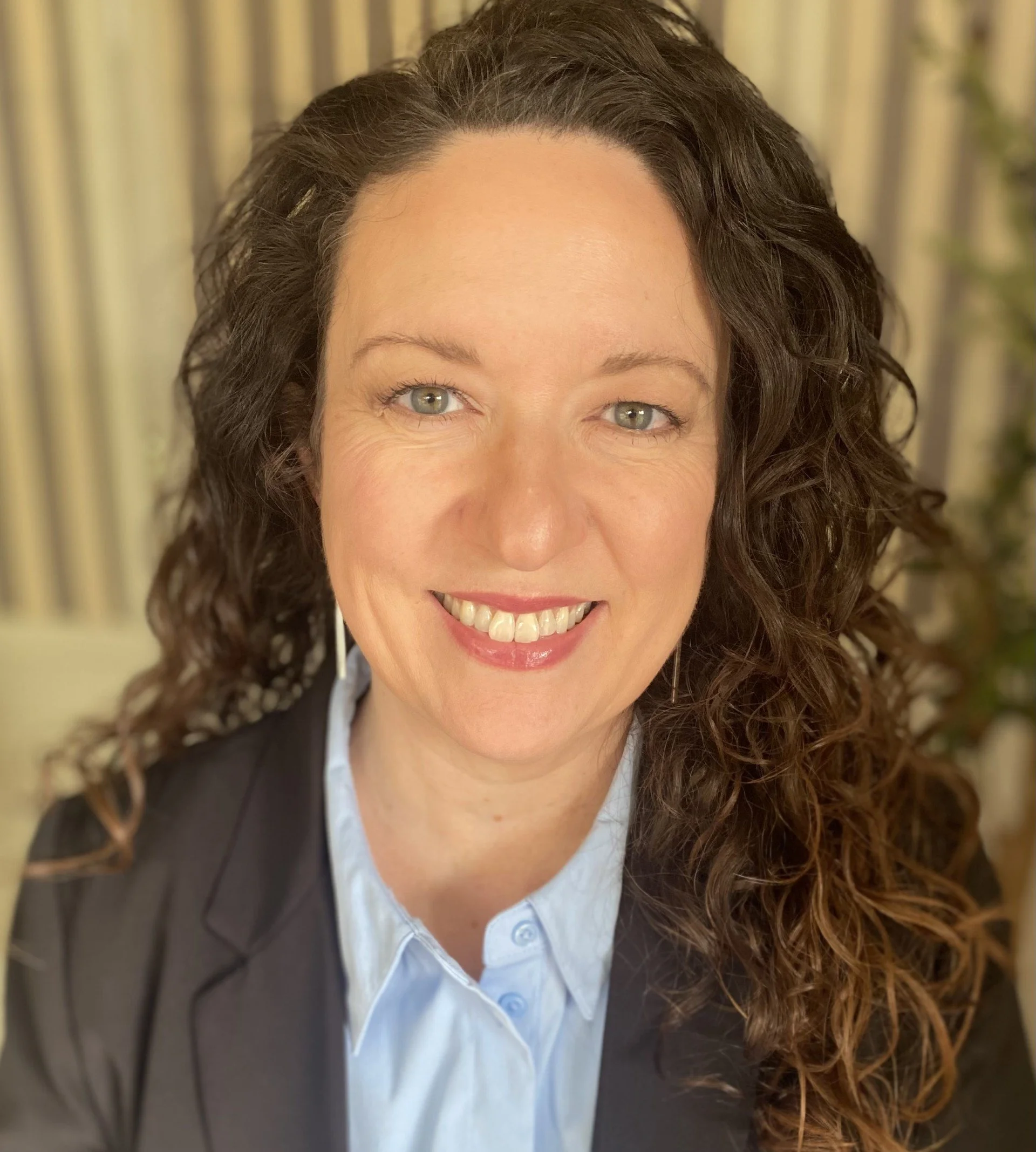
Meet The Founder
With over twenty years of experience in special education and inclusion, I am driven by a passion for effective, sustainable, research-based solutions. I have a profound appreciation for educational research and special education law. I place an immense value on the disability community, grounding my work in their lived experiences and perspectives.
I began my career as a paraeducator and continued in the field to become a special education teacher, inclusion specialist, autism specialist, college professor, and inclusion consultant. I help districts, teachers, and families find common ground around inclusion programming. With a deep understanding of inclusion from multiple angles, I help teams develop practical solutions with genuine buy-in from all sides. Throughout my career, I have partnered with school districts to design and implement effective inclusion programs and mediate conflicts between families and districts regarding inclusive services.
Frequently Asked Questions
Inclusion Basics
-
Inclusion means that students with disabilities learn and participate alongside their non-disabled peers in the general education setting with the right supports in place to help everyone succeed. It’s not just about where a student sits - it’s about ensuring they are meaningfully involved, learning, and valued as full members of the classroom community. True inclusion is built on individualized supports, thoughtful planning, and a belief that every student has something important to contribute.
-
The goal of inclusion looks a little different for every student. For many, it means building meaningful social connections and developing the skills needed to thrive in adulthood - socially, vocationally, and as active members of their communities. At its heart, inclusion is about creating learning environments where all students grow together, feel a genuine sense of belonging, and are valued for their unique strengths and contributions.
-
Not at all, and that’s the beauty of special education: it’s individualized. For some students, inclusion means spending most or all of the day in the general education classroom with the right supports. But usually, students have services that take place in a separate setting for part of the day.
Some advocacy groups promote full-time inclusion for all students, and while these efforts often come from a place of deep passion and belief in equity, research shows that a one-size-fits-all approach doesn’t always lead to the best outcomes. Targeted intervention from a trained specialist is considered the gold standard for academic growth. A balanced, evidence-based approach ensures that each student receives both meaningful social opportunities and the individualized instruction they need to truly thrive.
-
While the two terms are sometimes used interchangeably, they describe very different approaches. In an inclusion program, a student with a disability is in the general education classroom most of the day and appears on the general education teacher’s roster. They still receive the supports and services they need, and sometimes these supports are embedded within the classroom setting or they might be delivered through pull-out services.
Mainstreaming, on the other hand, typically means the student spends most of the day in a separate, self-contained special education classroom and joins the general education setting for certain subjects or activities.
On paper, the difference lies in the percentage of time in each setting.
-
Inclusive education should be the default expectation, with the understanding that meaningful inclusion will look different for everyone. With thoughtful planning, collaboration, and the right supports, students with even extensive support needs can be included meaningfully. Like everything in education, inclusion should never be one-size-fits-all. Special education law recognizes the importance of a continuum of placement options so that every student can learn in the environment that best meets their unique needs. While all students deserve access, equity, and high expectations, some may thrive in smaller settings with more direct support from a special education teacher for at least part of their school day. The key is thoughtful, individualized decision-making by the IEP team, always guided by what will help each student make lasting academic, social, and functional progress.
-
No. The concept of inclusion can be somewhat subjective. It’s quite common for students with disabilities to learn alongside their non-disabled peers in general education classrooms. When a student receives only a small amount of specialized support, such as speech therapy or resource specialist services a few times per week, this is typically not considered an inclusion program; it’s standard practice in many schools.
However, when a student with more complex needs is educated primarily in a general education classroom rather than a separate special education setting, that’s when it’s considered inclusion. In other words, inclusion refers not just to where a student learns, but to the intentional support and collaboration that allow them to participate meaningfully in the general education environment.
In California (and many other states), special education placement has traditionally followed a two-tiered system:
Resource specialist services for students needing more minimal support, or
A separate, self-contained classroom for students with more significant needs.
While both models can provide meaningful learning opportunities and growth, this structure is limiting. Inclusion expands this range of options. Ideally, inclusion should be viewed as a common, flexible approach - one that districts are ready and willing to consider with an open mind.
Quality and Practice
-
Effective inclusion means that a student with a disability is making meaningful academic and social progress within their program, and that all students benefit from learning together. The student with a disability participates actively in classroom life, builds genuine friendships, and feels a true sense of belonging.
However, inclusion does not mean that a student is expected to meet grade level standards by the end of the year. This would be an inappropriate expectation for many students with significant disabilities. But a strong program will infuse standards-based teaching for all students. This may sound like an impossible task when a student is several grade levels behind their peers, but special educators are highly trained at this skill. Any inclusion program should have a special educator working closely with the team to support goals, accommodations, and modifications that are rooted in standards-based instruction.
-
Ineffective inclusion can take many forms, especially when schools attempt it without expert guidance. This doesn’t necessarily mean inclusion isn’t the right fit; it usually means the plan needs adjustment. Sometimes, a student may be physically in the general education classroom but spend almost the entire day separated from peers, working one-on-one with an aide off to the side. Other times, a student may be placed in general education without sufficient supports and services, making it hard to participate or learn effectively.
The key is recognizing that inclusion is most successful when it’s thoughtfully planned, individualized, and supported by knowledgeable staff with a positive and willing mindset.
-
It’s natural for teachers to feel nervous or uncertain about inclusion. But inclusion offers unique opportunities for teachers and non-disabled students. Working closely with a special educator or inclusion specialist allows teachers to gain insights, strategies, and supports that benefit all students in the class, not just those with disabilities.
Inclusion also enriches the learning environment by helping non-disabled students develop stronger collaboration and communication skills as they interact with peers who learn differently. With the right supports in place, inclusion strengthens teaching and creates a classroom where every student can thrive.
Support and Services
-
In-person services are available within southern California; virtual services are available anywhere with internet connectivity.
-
I offer professional development for administrators, teachers, and paraprofessionals, because training at all levels is key to successful inclusion.
Administrators: Trainings focus on the why and how of inclusion, helping leaders understand both the philosophy and practical strategies needed to support inclusive programs and teams.
Teachers: Trainings emphasize practical implementation strategies, giving teachers the tools and confidence to meet diverse student needs in the general education classroom.
Paraprofessionals: These trainings are especially important, as they focus on how to provide the right kind of targeted supports as well as more advanced skills to help students avoid prompt dependency and promote independence and meaningful social interactions.
Let’s Connect
Fill out the form below and I will be in touch shortly. Or, email me directly at trow@balancedinclusion.com.